Remembering my Grandfather
Today is June 24th, the feast day of San Juan Bautista (St John the Baptist).
Every June 24th, I remember the stories told of grandfather (Lelong) when I was a little girl. Stories that included his exploits, when as a young boy around 1896, leading up to the Spanish-American War that affected the Philippines (and out of which the Philippines became part of the settlement between Spain and the US), he would stand on top of a rock looking out for Spanish soldiers, and when he sees them, run back to report his sighting to the local guerillas. He was a scout for the revolutionaries, freedom fighters against Spain. It is possible that at 8 or 10 years old, he never understood what they were really fighting for, but I have always loved this vision of my grandfather.
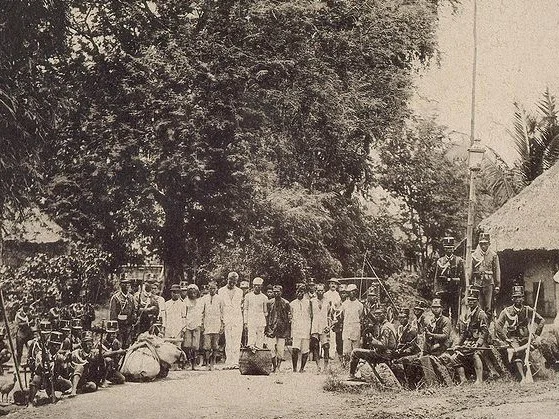
Philippine Spanish War, also called The Tagalog War
Almost five decades later, it would be my father fighting as a guerilla against the Japanese during World War II. A farmer by day, freedom fighter at night. I remember the stories of how my grandfather, a bit old to join the guerillas, would be herding the women and children to their hiding place, not to let them out until it was safe. My grandmother, a feisty, petite, beautiful woman, would order my grandfather to carry pots of food to the hiding place as they prepared to stay through the night.
Grandmother ruled and grandfather was her subject. I would remember him snapping immediately to attention when he hears my grandmother call his name: Juan! I was too young to know, but he must have really loved her.
He was born in Calaca, Batangas. When his relatives moved to Nasugbu, they took him with them. I heard that he was orphaned at a very young age. He was a very kind, humble man, a designer and an engineer. I remember huge baskets that he designed and beautifully wove; works of art, big enough to hold tons of rice (palay), the season’s harvest that would last until the next harvest.
Their house was surrounded by several fruit tress: guavas, vocadoes, tamarindo, camachile, kasoy.
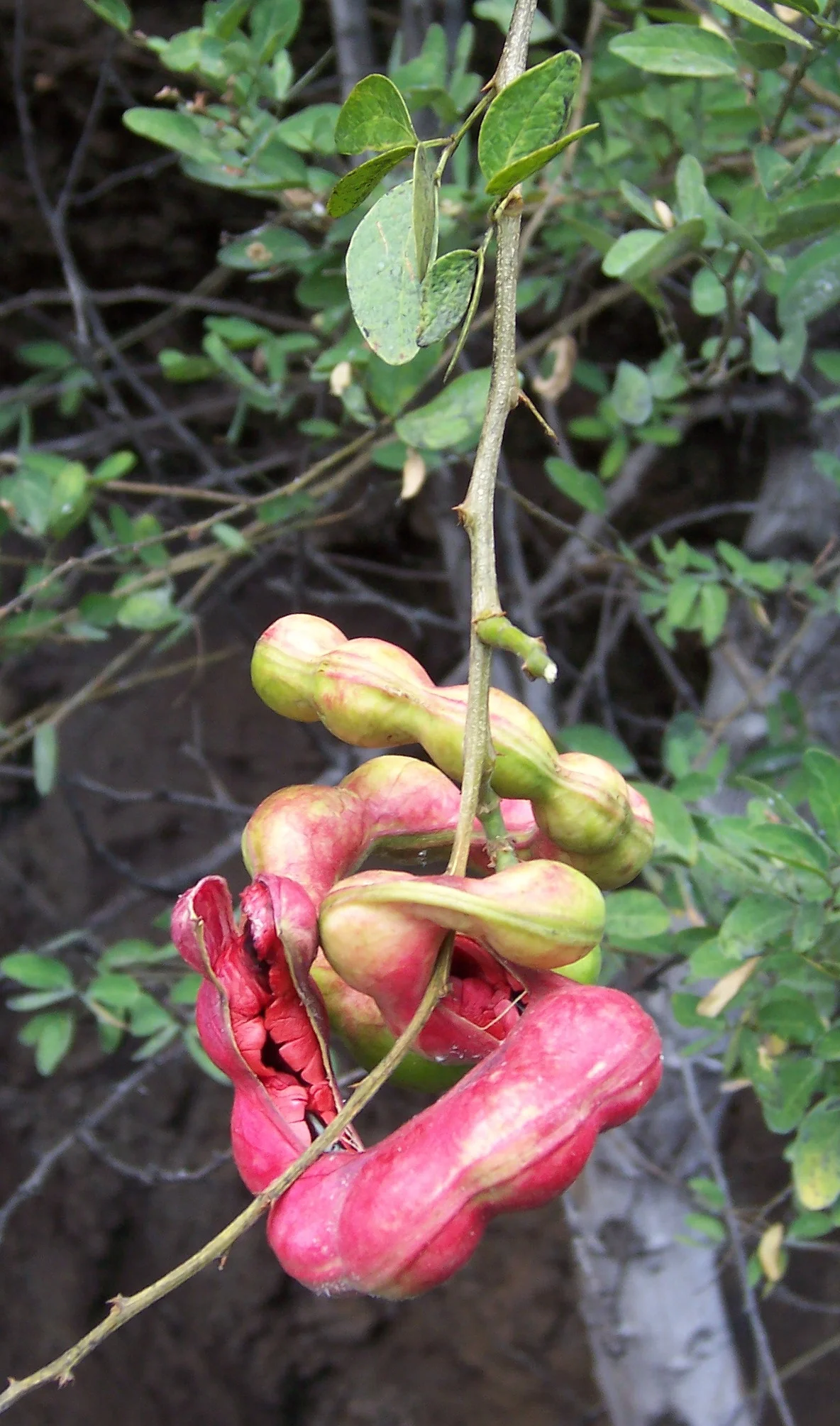
Camachile
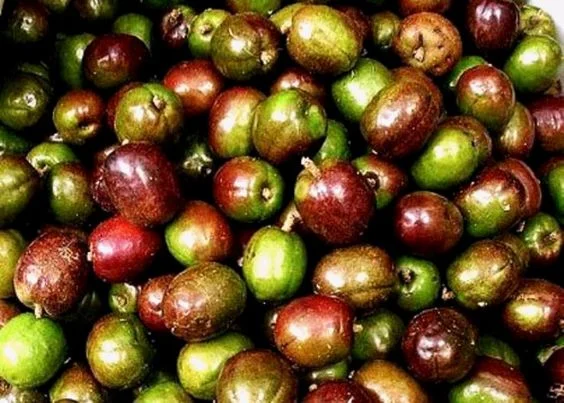
Sinigwelas
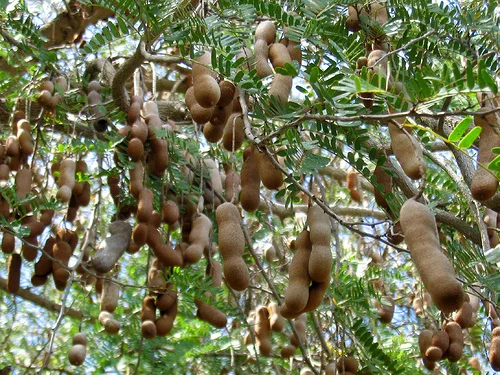
Tamarind
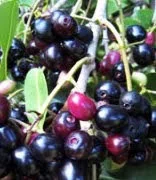
Duhat
We feasted on these fruits grown organically and packed with vitamin C
In their front yard was a huge mango tree, at least 100 years old, where we played house. Its massive roots were our caves. From the tree branches would hang ropes, at the end of which a blanket would be tied. This was our swing. Between the trunk and a branch, a piece of log about 10 feet long would be suspended. This was our see-saw. We had kariton and kanga, carriages that were pulled by carabaos or cows when delivering harvest. When not in use, this would be our make believe cars.
Sometimes we would harvest green mangoes and bury them in the palay, 3 days later they would be perfectly ripe and sweet. We never used chemicals to hasten the ripening of the mangoes. We would peel them with our fingers and with our hands, eat the fruits. Our face would be covered with bits of mangoes, sticky juice dripping through our fingers, down onto our shirts. We never used a knife to cut them nicely as we do now. We would make the biggest mess, no one really cared.
Their house was on stilts, the floor made of beautiful bamboo slats. At the base of the stairs is a huge iron cauldron that collected rain water. During the dry season, this would be filled from the river, water carried by men on two containers hanging from opposite ends of a bamboo pole balanced on their shoulders. At the end of day, we would wash up from this cauldron, always careful to use less than what we needed, respectful of the effort of the men who brought in the water. I still have this cauldron.
Lelong made baskets of different shapes and sizes. I remember round baskets, woven from very thin delicately sliced bamboo, used for winnowing rice.
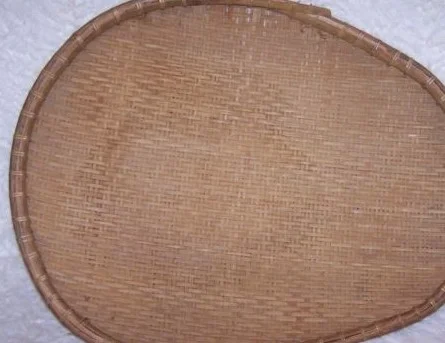
I remember the busikat, the kind we would use to trap fish and shrimps in the river where warm and cold water flowed. The river was shaped like a Y, from the left side came warm water, from the right was cold. We called this river, the Bautista River. I’m sure it had its proper name, but we felt like we owned it, we could go anytime without fear of being seen by anyone. The leg of the Y was a perfect temperature and it had a deep spot for diving. We would swim and fish in this river. A little bit down the river, my father would set up a small dam made of rocks (paiga) that would trap the fish, shrimps and snails. Using the busikat or a net, we would then scoop them out. On the way home, we would pick wild cherry tomatoes or guavas along the road. This would be dinner (sinigang) when we got home. It was our very own place; it was a small piece of heaven on earth.
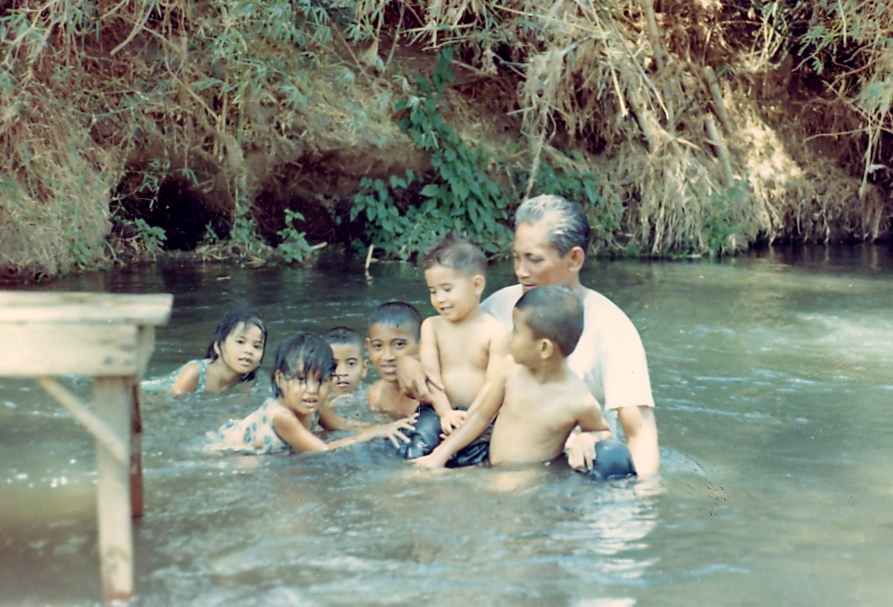
My father with son Ed, and grandchildren, Malou, Lut, Ron,Jessie and Ned
We called grandfather Lelong, and grandmother Lelang. Both were very good looking. Lelong was tall and thin, Lelang was a petite mestiza, with very beautiful fair skin. I have never heard other kids call their grandparents these names, and I liked that.
When I visited their house, I would remember waking up at 5am (maybe earlier, there was no clock), seeing him seriously engaged in his regular daily morning ritual. He would sit in the same corner, and with his chopping board and special knife, meticulously cut dried tobacco leaves. Then, he would flatten the thin, square pieces of paper, place just the right amount of chopped tobacco and lovingly roll his cigarettes. Lastly, he would lick the paper, pinch and twist the ends to seal it. He would make about 20 sticks for the day. He grew tobacco and dried the leaves solely for this purpose. He smoked until he passed away at the age of 90+.
The day could not begin without his cigarettes, which he made freshly cut and rolled every day. As strong as Lelang’s personality was, this was one ritual she had to respect. While Lelong was rolling his cigarettes, Lelang would busy herself grinding coffee beans and brewing the coffee of the day. This remains one of my most treasured memories of childhood- waking up to the smell of coffee and seeing Lelong rolling his cigarettes. I learned from Lelong a phrase that I would later use when creating user manuals after our computerization projects, “start of day process”.
The first time my father saw my mother was on the day of their wedding, March 2nd, 1934. We were told of Lelong’s tireless efforts to win my mother’s hand. This happened after he saw my mother at the town market. He wooed my mother for my father, by first winning the confidence of her mother. Following the tradition of that time, it was Lelong and my mother’s mother who subsequently planned their marriage, a marriage of opposites, a marriage that gave them 11 children and lasted for 62 years.
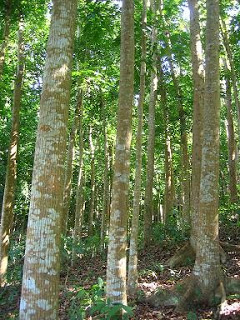
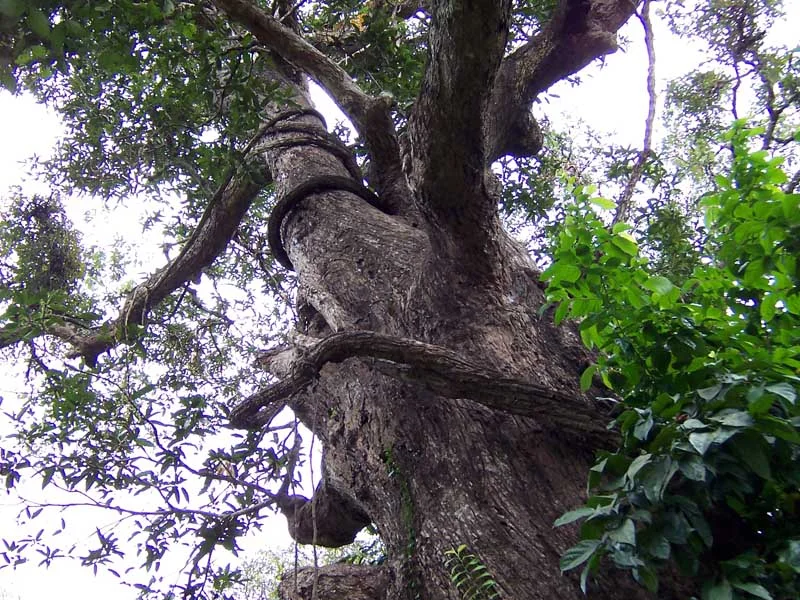
The Mulawin Tree
Like Lelong, my father was also artistic. He was a farmer, but I think at heart, a carpenter. He loved the feel of wood and working with his hands. He would talk about different kinds of wood, the tall majestic Philippine Mahogany or the beautifully shaped Narra. But his favorite was the unassuming, somewhat ugly-looking Mulawin (Molave). A light-loving tree that grows irregularly (so unlike the proud mahogany), it is one of the hardest woods in the Philippines, used in shipbuilding, railroad tracks, cabinets and construction where durability and strength are required. The leaves are used to feed cattle and carabaos; and its bark has curative effects on wounds and a good remedy for poisons as a small dose could induce vomiting.
When my father came to America in the late 1960’s, he built cabinets that showcased jewelries in my sister and brother-in-law’s jewelry stores in the Mission district of San Francisco. He also built a beautiful playhouse for their daughter, Nerissa.
I have no doubts that my father took after my grandfather. I see them also in my son.
I remember hearing of Lelong’s devotion to St. John the Baptist, his namesake. June 24th is the feast day of St John. Every June 24th for as long as he could manage it, Lelong would walk the 15 or so kms to the church in Lian, the town whose patron saint is St John the Baptist. The town folks would speak of their favorite story, of how on the morning of a June 24th, they saw the cape of St John muddied and wet from his walk the previous night. As June is a month of the rainy season, the streets of Lian would be muddy from the heavy rains and floods. Lelong would walk barefoot from his house to the church. Like St John’s walk-about, his feet would be muddy and his clothes would be wet as he joins the others on this pilgrimage.
I heard that he would tie his shoelaces together so that he could anchor his shoes on his shoulders as he crossed one of the strongest and deepest rivers in Nasugbu, the Lumindak River. He would put his dry shoes on just before he entered the church. His shoes must be clean and dry when he greets St John the Baptist.
I remember crossing this river on the shoulders of my father, him navigating carefully so as not to be carried away by the strong current, me enjoying the ride, not wanting it to end, happily uncaring and unaware. I would have been 5 or 6 years old.
I will forever remember my grandfather and my father to be gentle, caring, soft-spoken, loyal and kind. They were men of few words. To be around them was to be at peace, to be around my father was to feel safe. They were the opposites of their wives, who were both feisty and controlling; in many ways they made the perfect partners.
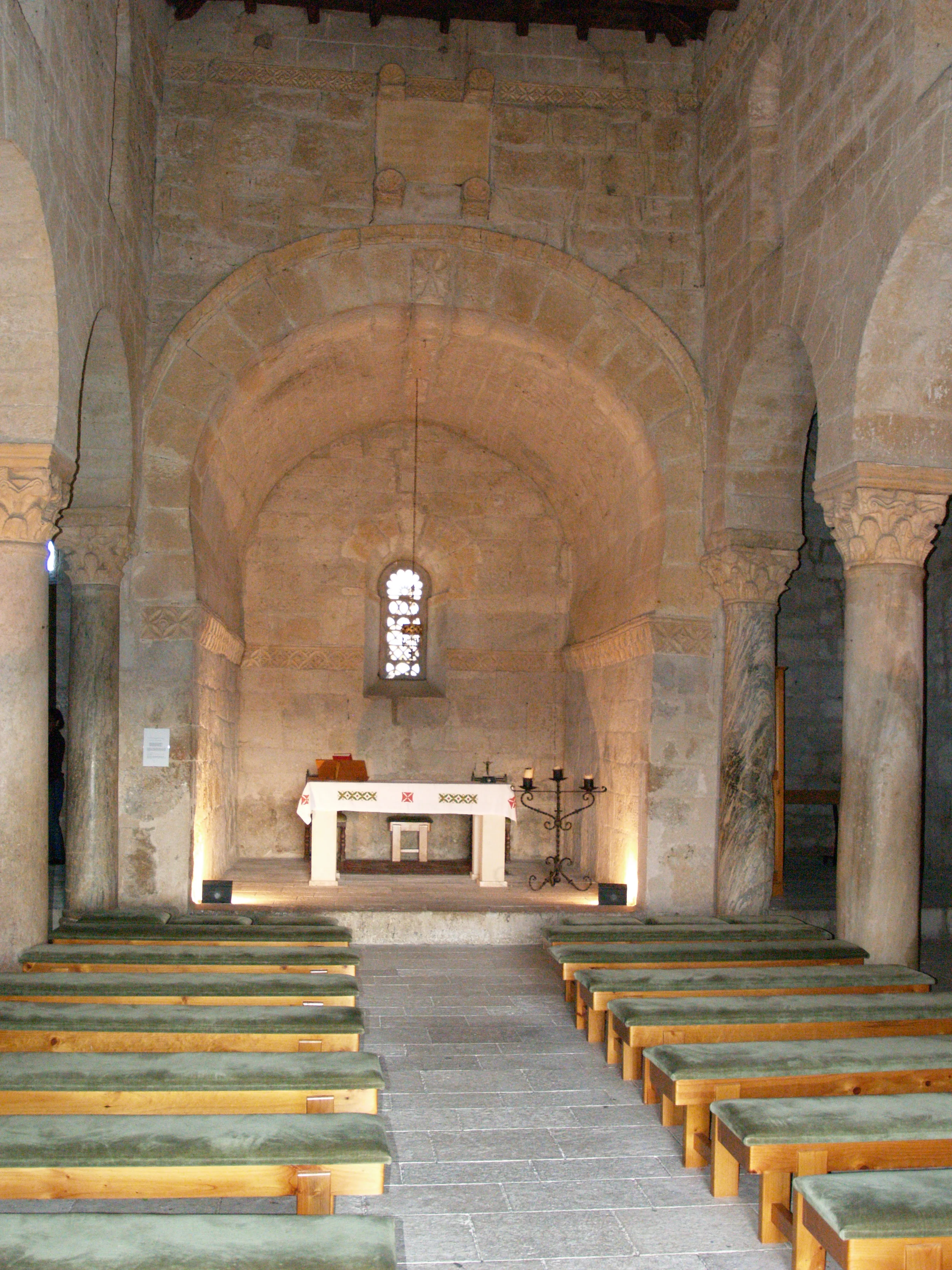
In one of our travels to Spain, Craig and I went in search of St John the Baptist Church (San Juan Bautista) in Banos de Cerrato (Castille-Leon). Built in 667 AD, it is the oldest Catholic Church still in use. I went in honor of my grandfather.
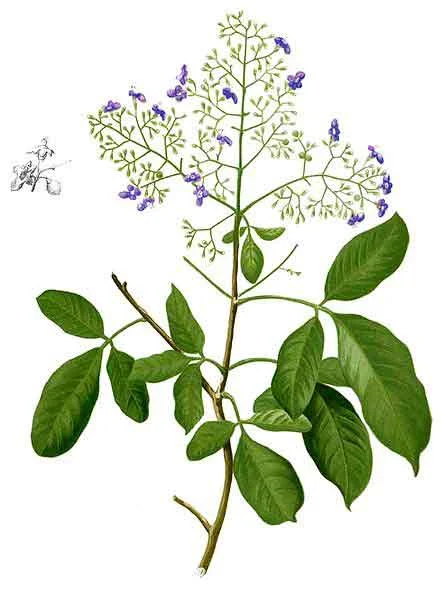
and its flower
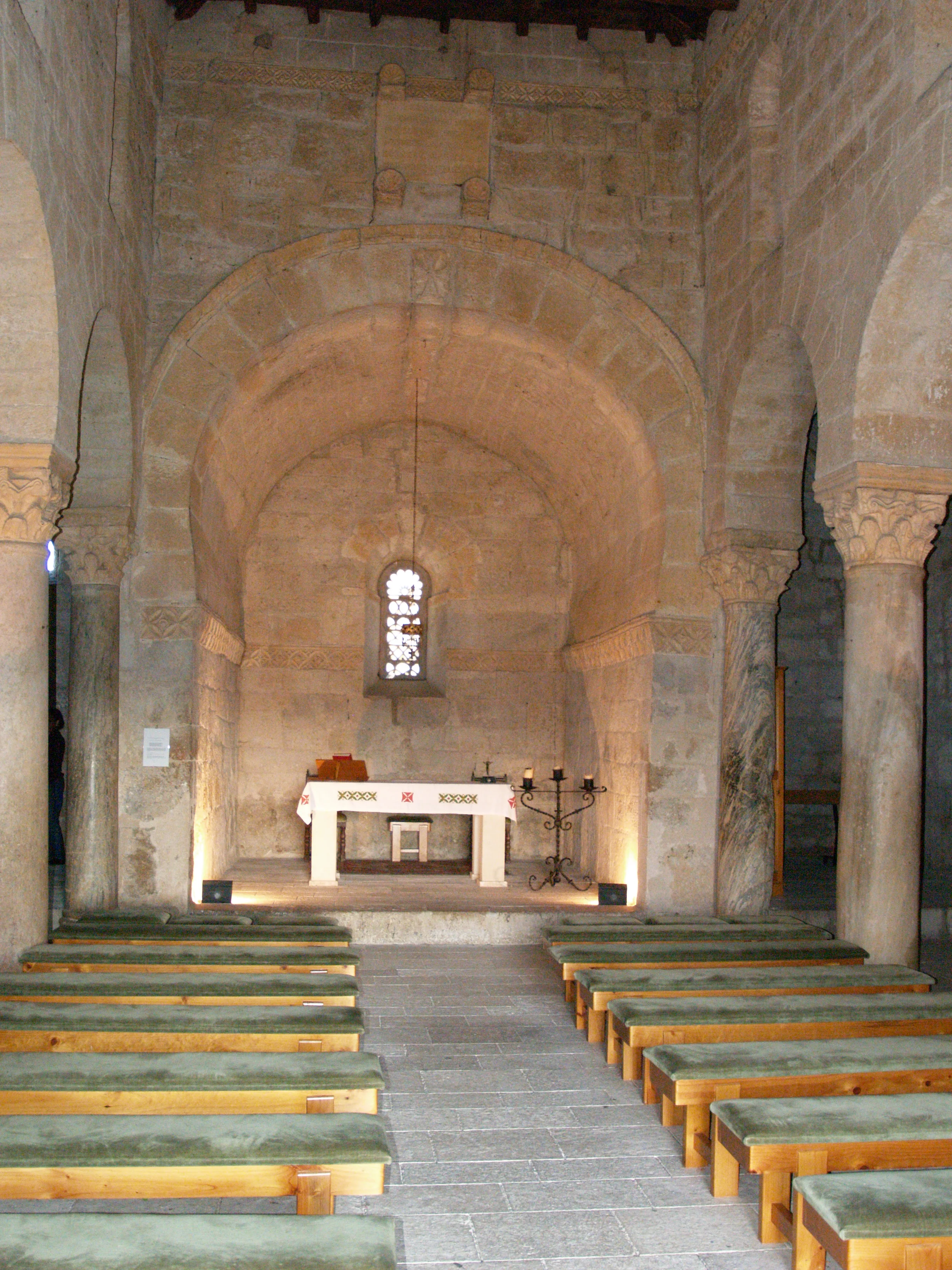
ST JOHN THE BAPTIST CHURCH, BANOS DE CERRATO, NEAR PALENCIA, SPAIN, 7TH CENTURY
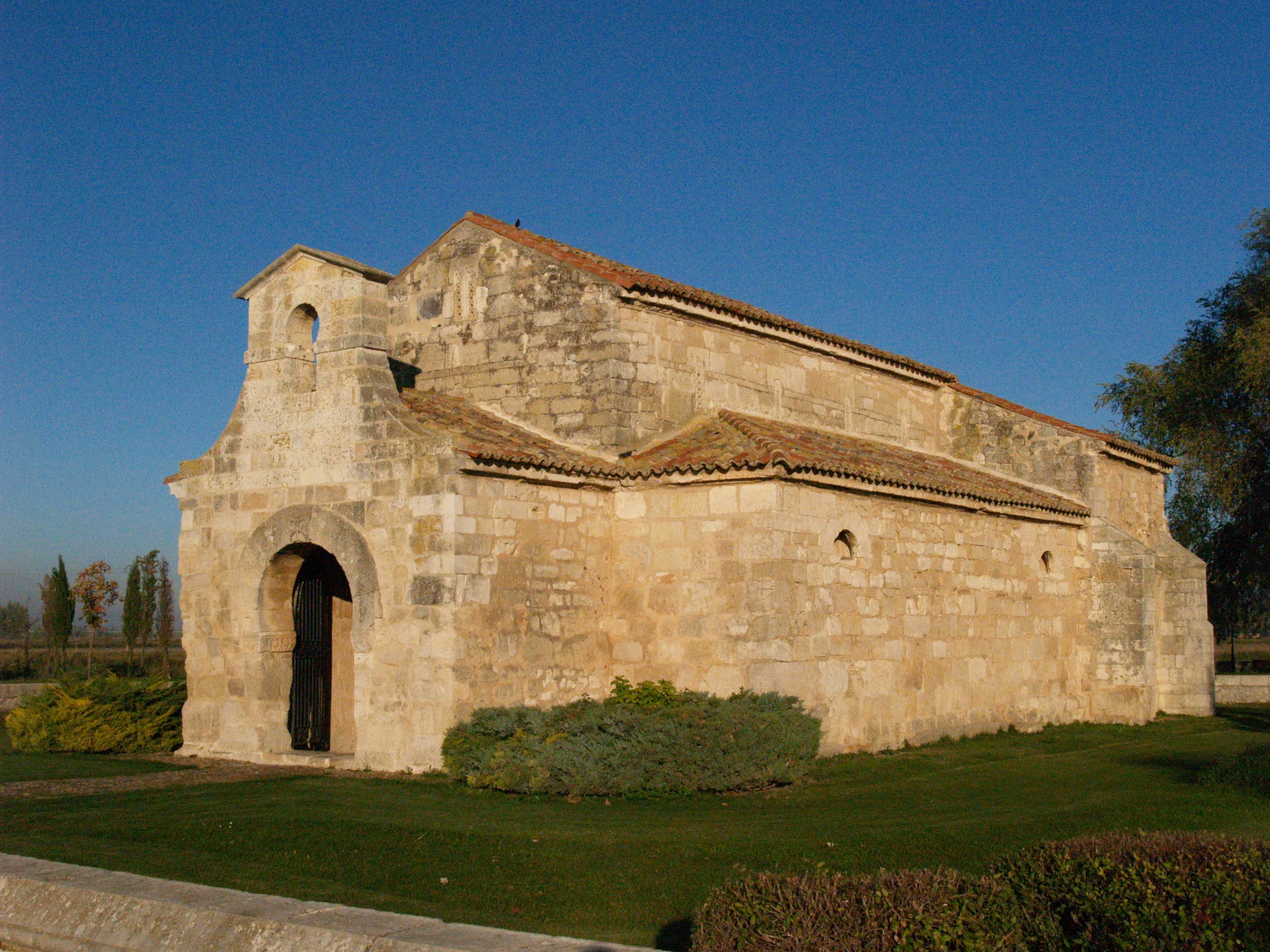
The front entrance, unchanged over the centuries
Today is June 24th, the feast of St John the Baptist. Today, I remember my grandfather, this is his day too.